
The legal fight over prediction markets has officially outgrown the states.
As regulators, exchanges, and gaming authorities continue battling over whether sports event contracts are federally regulated derivatives or simply sports betting by another name, one thing is becoming increasingly clear: the Supreme Court is likely to have the final word.
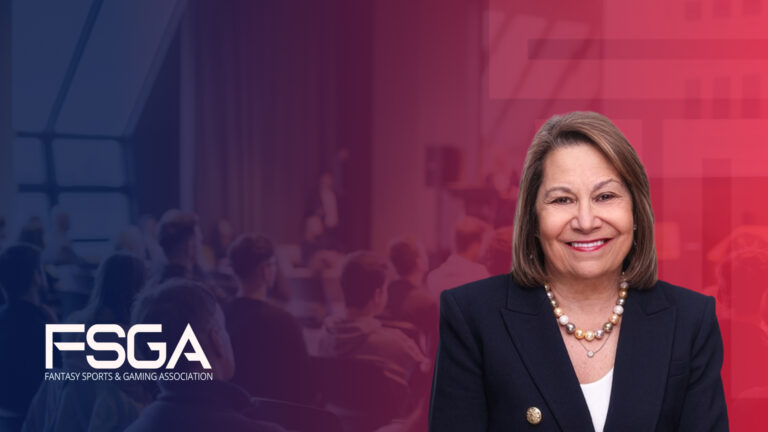
That’s exactly what our Partner Linda Goldstein told CasinoBeats, saying: “It is likely that the issue will ultimately be decided by the Supreme Court. The lower courts remain split, with some rulings favoring the markets and others siding with the states.”
That observation cuts through the noise. While states continue arguing that platforms like Kalshi and Polymarket are operating unlicensed sportsbooks, the CFTC is doubling down on its position that these products are event contracts governed by the Commodity Exchange Act—not gambling.
The result? Conflicting court decisions, aggressive litigation, and mounting pressure for the nation’s highest court to resolve the growing divide.
The bigger question isn’t simply whether prediction markets look like sports betting. It’s who gets to regulate them.
With Congress also weighing legislation that could reshape the legal landscape, the prediction markets fight has become one of the most consequential federalism battles in gaming law.
If you have questions about the impact on your organization, please connect with Linda directly at lgoldstein@cm.law.
CM Law (cm.law) – formerly Culhane Meadows – is the largest national, full-service, women-owned & managed (WBE) law firm in the United States. Designed to provide experienced attorneys with an optimal way to practice sophisticated law while maintaining a superior work/life balance, the firm offers fully remote work options, a transparent, merit and math-based compensation structure, and a collaborative culture. Serving a diverse clientele—from individuals and small businesses to over 40 Fortune-ranked companies—CM Law is committed to delivering exceptional legal services across a broad spectrum of industries.
The foregoing content is for informational purposes only and should not be relied upon as legal advice. Federal, state, and local laws can change rapidly and, therefore, this content may become obsolete or outdated. Please consult with an attorney of your choice to ensure you obtain the most current and accurate counsel about your particular situation.